
Nov 4th 2026
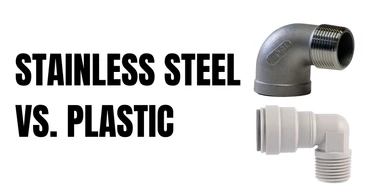
Car Wash: Stainless Steel vs. Plastic
Any car wash build-out requires a choice: spend more up front on stainless steel tubing and fittings, or save on poly tubing and plastic push-connect fittings and plan for more replacement work over time.
In our latest video blog, CEO Darrin Shillair walks through that decision and the three stainless fitting styles used in these installations. He sums up the material choice simply:
"It's just a trade-off between price and long-term durability."
Pay More Now, or Replace More Later
Stainless is the longer-lasting option. As Darrin explains, the goal is to install it once and avoid much of the replacement and maintenance work later.
Polyethylene tubing and plastic fittings cost less to install. They may need replacing more often as they wear, especially where temperatures go from hot to cold and back again.
For a new car wash or a major renovation, stainless makes sense when reducing future maintenance is worth the extra cost. Poly is the lower-cost choice when the budget is tighter and occasional replacement is part of the plan.
Three Ways to Build in Stainless
When choosing stainless, the next decision is how to connect it. Darrin covers three fitting styles:
- Stainless steel push-connect fittings: Stainless steel push-in fittings use a push-connect design, similar to the familiar John Guest plastic fittings. In the video, Darrin describes a stainless setup using coiled or straight tubing sized by its outside diameter (OD).
- Threaded stainless steel pipe fittings: Stainless steel pipe fittings screw together. Installation involves preparing the threads, tightening each connection, and lining up the fittings as the assembly goes together.
- Stainless steel press-fit fittings: We are seeing more interest in stainless steel press fittings because they’re easier to install. A press tool makes the connection instead of screwing the parts together, which has two advantages. The installer doesn’t have to keep parts aligned while threading them together, and pressing is faster than taping and tightening each threaded connection.
Replacing a line or starting from scratch?
When replacing a section of tubing, the new parts need to work with the connections already there. A new build or a larger renovation gives the installer more freedom to choose the tubing and fittings together.
Contact our sales team for help choosing the tubing, fitting style, and sizes for the job.